Society & Cultural Observation
Observations on Chinese and German society, everyday rules, values, public life, trust, freedom, responsibility, and the different ways people understand the world.
-
When Knowledge Is No Longer Scarce, What Do Credentials Still Prove?
As AI and digital tools make it easier to acquire skills outside traditional education, formal qualifications no longer tell the whole story of what someone can actually do. Certificates will remain important, but they may increasingly become one signal among… Continue reading

-
Twenty Years Later, I Finally Understood Why I Loved Milan Kundera So Much
Why is yuanfen, a Chinese concept about meaningful encounters and connections, so difficult to translate? Looking back at Milan Kundera’s The Unbearable Lightness of Being, I finally understood why I was drawn to his writing: he captured the delicate space… Continue reading

-
Isn’t Parting a Kind of Outcome Too?
We often assume that a relationship only has a meaningful “outcome” if two people stay together. This essay asks whether meeting, sharing part of a life, changing each other, and eventually parting can also be a real kind of completion—even… Continue reading

-
Why Can’t “Yuanfen” Be Translated into German?
This essay begins with a simple translation question: why does the Chinese word yuanfen never quite become Schicksal, “fate,” or “destiny” in another language? By looking at yuanfen, youyuan wufen, and a personal relationship from the past, it explores how… Continue reading

-
We May Be Living Through the AI Version of 1890
This essay compares today’s AI transition to the spread of electricity around 1890, when a new technology gradually reshaped not just individual tools but entire systems of work and production. As AI takes over more standardized knowledge tasks, the people… Continue reading

-
In the Age of AI, What Is Truly Scarce Is Not Answers, but Knowing What Problem You Are Trying to Solve
This essay begins with a simple Instagram message about how to make an AI video, but gradually opens into a larger question about learning, judgment, and how we navigate an age of overwhelming information. AI can make answers easier to… Continue reading

-
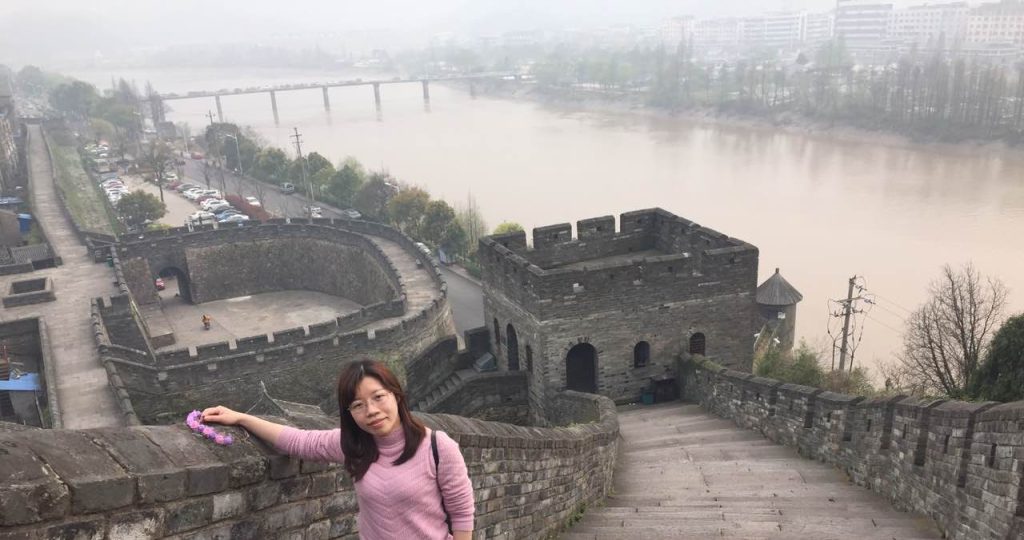
Why Does an Ancient City That Has Managed Floods for a Thousand Years Still Flood Today?
This essay begins with the recent flooding in my hometown of Linhai and a conversation with Chris about why a city that has managed floods for centuries can still be overwhelmed by them. It reflects on childhood memories, ancient and… Continue reading
-
“Zhǐ Gē Wéi Wǔ” — True Martial Strength Means Stopping the Weapons. Sadly, 90% of Foreigners Cannot Understand This Ancient Chinese Wisdom
This essay looks at the Middle East through the deeper structures of power, dependency, history, and the real cost of resistance. It returns to the Chinese idea of *zhǐ gē wéi wǔ*(止戈为武): true strength is not about expanding conflict, but… Continue reading

-
External Force and Inner Growth: Why “Overthrow” Does Not Mean “Rebirth”
The essay explores why removing a leader or dismantling an old system does not automatically create a better future. Through a long conversation about Iran, it reflects on the importance of a society’s ability to rebuild from within—and how the… Continue reading

-
An Interesting Soul Needs a Childhood with Room to Explore
The essay explores how “prepackaged childhoods” and ever-rising academic demands can erode children’s curiosity, joy, and ability to discover what they truly love. It argues that while education matters, children also need time to play and explore, especially in a… Continue reading